
GO BACK TO THE WEBSITE HOME PAGE
DESCRIPTION:
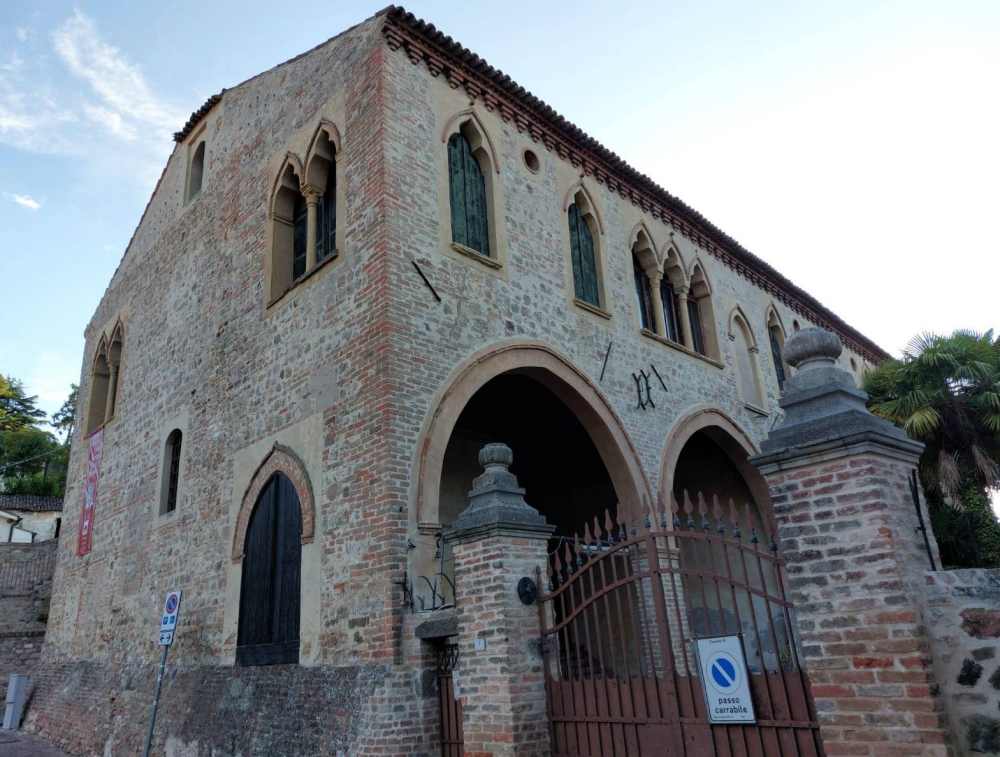
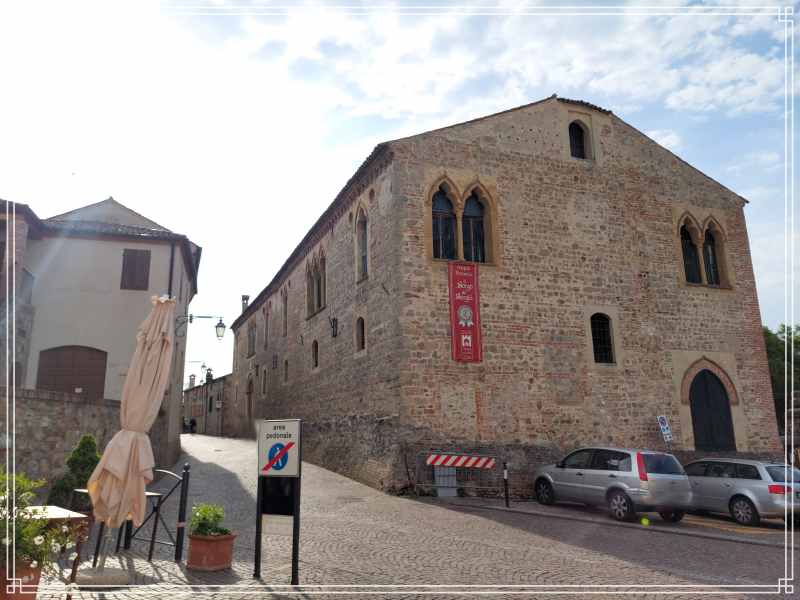
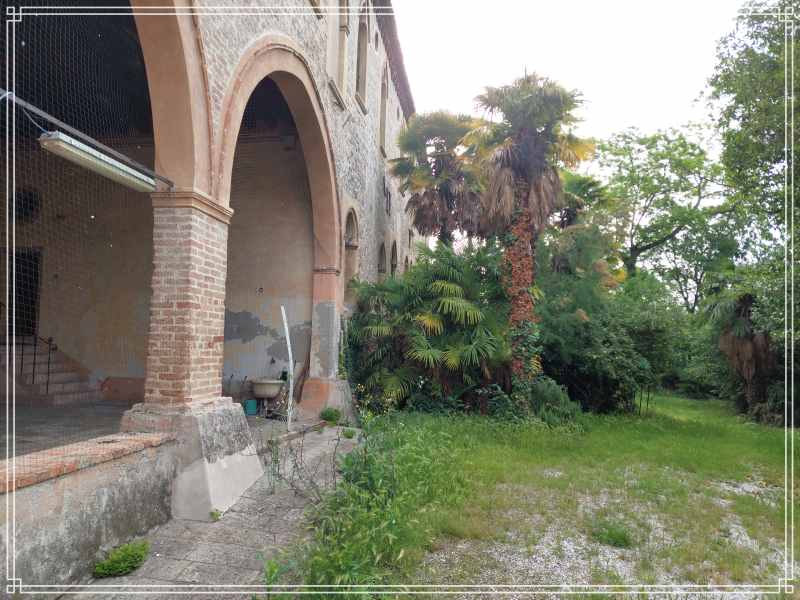
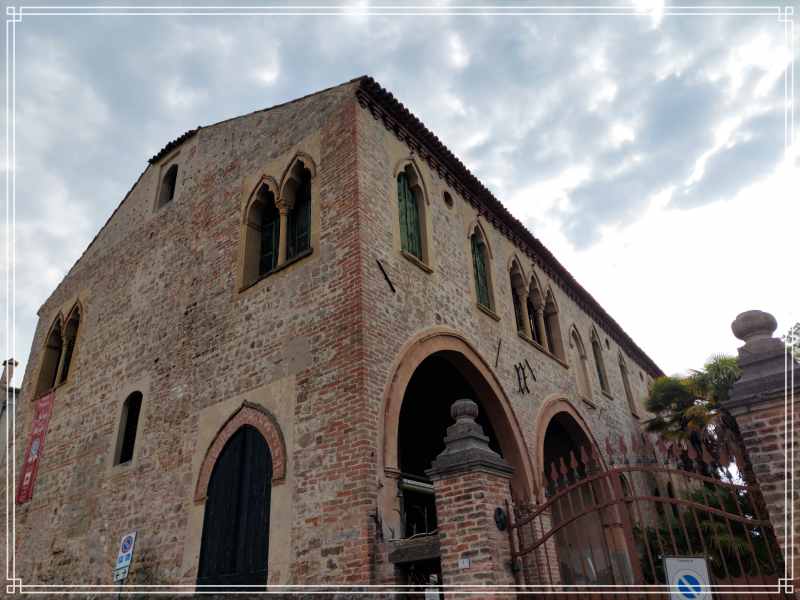
Palazzo Contarini (or Palazzo Cantarini) is a historic building of great value located in the center of Arquà Petrarca.
Situated right in the heart of the village, in Piazza Petrarca, the palace captures visitors’ attention with its elegant mullioned and triple-lancet windows — a fine example of the refined medieval architecture that characterizes the area.
Its history dates back to the Middle Ages: initially owned by the Dalla Bonella family, it later passed to the Contarini — an influential Venetian noble family — and subsequently to the Naccari and Marolla families, who preserved its prestige.
Today, as you stroll through the main square, the palace stands as a true symbol of Arquà’s noble past, blending harmoniously with the village’s evocative atmosphere.
The origins of the Contarini family are said to date back to ancient Rome: according to tradition, the Aurelii Cotta, prefects in the Rhine region, were called Cotta Rheni or Counts of the Rhine, from which the surname Contarini would derive.
Historical sources, however, take us to the year 853, when an Andrea Contarini appears as a witness in the will of Bishop Orso of Castello.
The family grew to become one of the most influential in Venice: by the 1500s, among more than 1,500 registered patrician families, as many as 107 bore the name Contarini.
It should be noted that although the various branches of the family shared a common lineage, they did not identify as a single extended house, despite sharing the same surname.
Nevertheless, the family’s contribution to the history of the Serenissima Republic was remarkable: the Contarini gave Venice nine doges, as well as prominent churchmen, politicians, and military leaders. Even today, numerous place names recall their presence and importance.
An intriguing episode also surrounds the Contarini dal Naso (“of the Nose”) branch, so nicknamed due to a notorious event: it is said that an Andrea (or Giacomo) Contarini struck Doge Francesco Foscari with his fist in front of St. Mark’s Basilica, in revenge for being denied the appointment as Captain of the Gulf. The act had dire consequences — on March 21, 1430, he was beheaded between the columns of St. Mark’s Square.